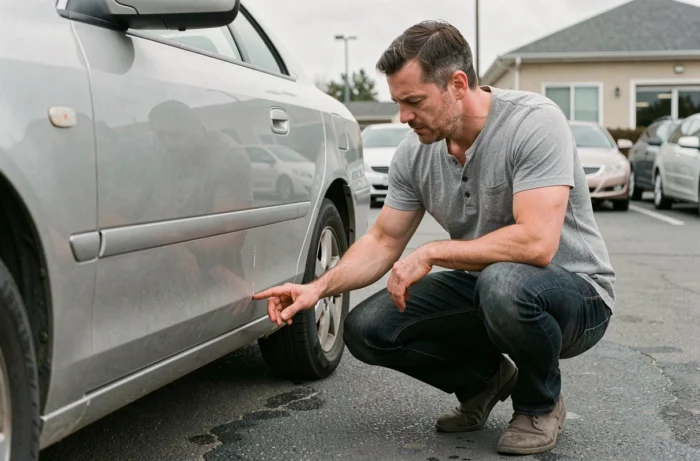
Buying a used car with CapCar is based on a structured verification framework, but certain technical points deserve more attention than standard sheets suggest. We review the checks that make the difference between a good deal and a risky vehicle.
Verification of the administrative situation certificate: the 15-day trap
One point we regularly observe: buyers show up with an expired administrative situation certificate. This document, downloadable via the ANTS website, must be dated less than 15 days at the time of the transaction. Beyond that, it loses its legal value.
This short timeframe is not trivial. Between the date of issuance and the signing, a lien can be recorded, or an opposition to the transfer of the registration certificate can appear. A certificate that is three weeks old no longer guarantees anything. We recommend asking the seller for a certificate generated within the 48 hours preceding the sale.
The issue of secure payment is directly linked to this document. If the certificate reveals a lien or an opposition, the entire transaction must be suspended. On this subject, an article details the refund with CapCar on WD Car in case of a problem detected after signing.

Mileage readings Histovec: cross-checking technical inspection data
Histovec includes the mileage readings recorded during each technical inspection. This is an underutilized verification lever by most buyers.
The principle is simple: each visit to the technical inspection generates a timestamped mileage report. An inconsistency between two successive readings indicates a tampering of the odometer. A vehicle that shows 95,000 km while it declared 110,000 two years earlier presents an obvious warning signal.
We recommend cross-checking three sources before any purchase:
- The Histovec report, which compiles the administrative history and mileage readings from technical inspections since their digitization
- The stamped maintenance booklet, where each intervention mentions a mileage – discrepancies with Histovec must be consistent
- Invoices for wear parts (brake pads, tires, belt), which often indicate the mileage at the time of intervention
If any of these sources is missing or contradicts the others, the price negotiation should take that into account. If two sources contradict each other, we advise against the transaction.
Battery condition on electric and hybrid used cars: a changing technical inspection
The used car market is rapidly electrifying. Hybrids and 100% electric vehicles represent an increasing share of CapCar listings. This change in powertrain fundamentally alters the verification points at purchase.
The classic technical inspection does not cover the health status of the traction battery. A vehicle can receive a favorable opinion while having a degraded battery capacity. The actual range may then be significantly lower than that announced by the manufacturer.
Before purchasing a used electric vehicle, we recommend requesting a battery diagnosis performed by a certified professional or at the brand’s dealership. This diagnosis measures the State of Health (SoH), expressed as a percentage of the initial capacity. A SoH below 80% justifies a significant depreciation, as replacing a battery represents the heaviest expense for this type of vehicle.
Specific points for plug-in hybrids
Plug-in hybrids pose a particular problem. Some owners never charge the battery and drive exclusively in thermal mode. The electric motor and battery are then underutilized, which can mask degradation or, conversely, give a false sense of good condition.
Check the charging history if the vehicle has a manufacturer app. The complete absence of charging cycles on a multi-year plug-in hybrid is an indicator of abnormal usage.
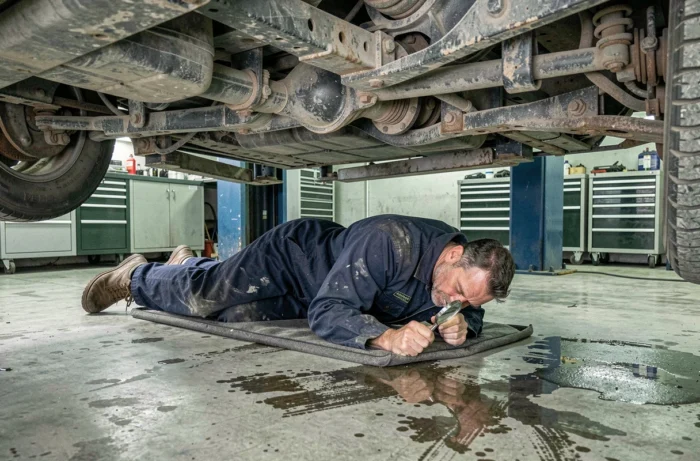
Visual inspection of the bodywork and welds: detecting an undeclared accident
The Histovec report indicates incidents that led to a VEC (damaged vehicle then repaired) procedure. However, repairs carried out outside of the insurance circuit do not appear there.
A methodical visual inspection remains the best complement:
- Examine the door and trunk seals – new seals on an old vehicle indicate a panel replacement
- Run a magnet over the fenders and sills to detect thick body filler, invisible to the eye
- Compare the shades between adjacent panels under low natural light – a difference in hue indicates partial repainting
- Inspect the weld points in the engine compartment and trunk, which should appear regular and original
A vehicle that has been damaged and then properly repaired can remain reliable, but its price must reflect this history. The problem arises when the accident is concealed and the price does not account for it.
CapCar warranty and coverage scope: what the agent checks for the buyer
The intervention of a CapCar agent structures the verification around a standardized inspection report. This report covers the mechanical condition, administrative compliance, and bodywork condition. It serves as an objective negotiation basis between buyer and seller.
The warranty offered by CapCar covers the main mechanical components. We draw attention to its scope: common wear parts (clutch, pads, shock absorbers) remain the responsibility of the buyer. Reading the terms before signing avoids misunderstandings.
The opinion of an independent mechanic, in addition to the CapCar report, remains a precaution we encourage for vehicles over five years old or exceeding high mileage. Two perspectives are better than one, especially when the transaction amount justifies an additional hour of diagnosis.