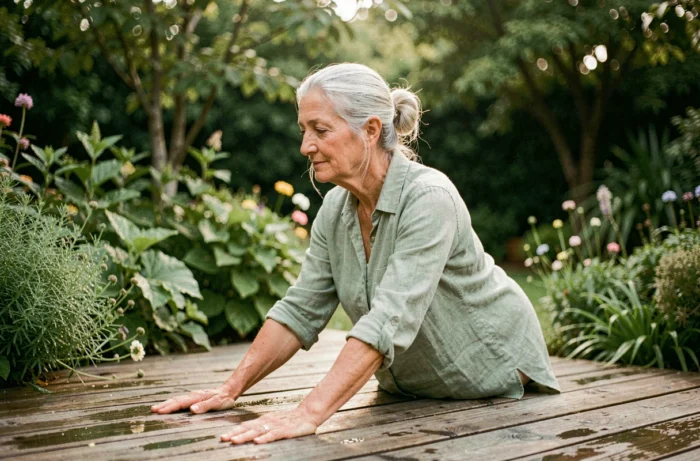
Aging well doesn’t necessarily start with putting on sneakers or reviewing what’s on your plate. For many seniors, the first daily risks are found in much more mundane places: a poorly secured rug in the hallway, a prescription never reviewed for months, or inadequate lighting near the stairs. Well-being after 60 relies on concrete priorities, often underestimated, that condition everything else.
Senior Housing Safety: The Priority That Guides Forget
Have you ever noticed that a simple electrical cord lying on the floor takes on a different nature when balance becomes more fragile? Housing is now recognized as a true health lever for the elderly, far beyond mere domestic comfort.
The principle is simple: secure every daily journey within the home. The bathroom, the hallway between the bedroom and the toilet, access to the kitchen. These repeated passage areas concentrate the risks of falling.
Specifically, the recommended approach today involves removing obstacles on the floor (unsecured rugs, stored objects), improving lighting in nighttime circulation areas, and installing support points (grab bars in the shower, handrails in the stairs). Several specialized resources help identify these adjustments, and the advice from Le Coin du Bien-être specifically addresses preventive actions suited to each situation.
Adapting your home before the first fall radically changes the prognosis for autonomy. Waiting for an accident often means having to leave home in an emergency, with limited and imposed choices.
Medication Review: A Rare Preventive Appointment
As we age, prescriptions accumulate. One treatment for blood pressure, another for cholesterol, a sleeping pill taken for years, a painkiller added by a specialist. Each medication was prescribed for a good reason, but the entire prescription is not always re-evaluated as a whole.
The problem has a name: polypharmacy. When multiple medications interact, side effects multiply. Unexplained fatigue, dizziness, mild confusion, loss of appetite: these symptoms attributed to age are sometimes correctable side effects.
How to Approach the Topic with Your Doctor
The most effective approach is to gather all current prescriptions (including dietary supplements and over-the-counter treatments) and request a comprehensive review during a dedicated consultation. The primary care physician can then assess whether certain treatments remain relevant, if dosages are appropriate, or if interactions pose a problem.
Checking your treatments once or twice a year is part of prevention just like vaccination or screening. This simple examination can measurably improve quality of life.
Fall Prevention: Beyond Physical Activity
Physical exercise remains a pillar of fall prevention, but it is not sufficient on its own. Three often-overlooked factors play a direct role in the risk of falling among seniors:
- Vision: an outdated optical correction or untreated cataracts alters the perception of distances and relief. An annual check-up with an ophthalmologist is part of fall prevention.
- Hearing: untreated hearing loss reduces spatial balance and the ability to perceive warning signals in the environment.
- Feet and Shoes: poorly maintained nails, worn or inappropriate shoes (smooth soles, insufficient support) increase the risk of slipping. Regular pedicure care and closed shoes with non-slip soles make a real difference.
These three points are rarely addressed in traditional guides on aging well, yet they directly condition the ability to move safely on a daily basis.
Social Connection and Meaningful Activity: A Health Factor in Its Own Right
Maintaining an active social role after retirement produces effects comparable to those of physical activity on overall health. Recent research on aging emphasizes this point: having a regular appointment that motivates you to get up in the morning protects as much as daily walking.
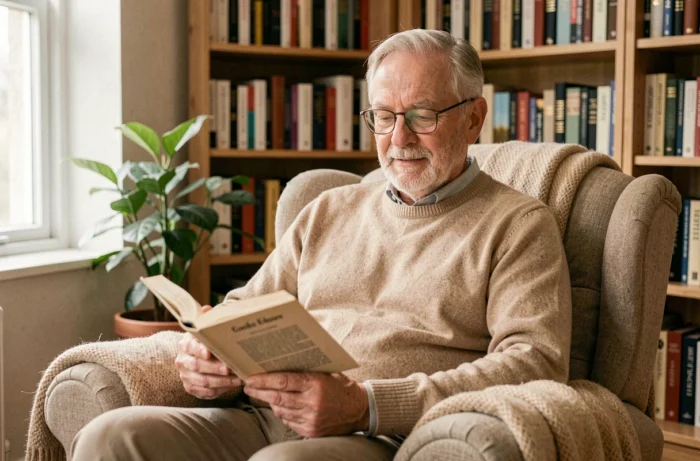
This doesn’t necessarily mean committing to a charity marathon. A shared gardening workshop, a weekly cultural activity, a book club, occasional volunteering: the key is regularity and the feeling of usefulness.
Start with a Single Commitment
The current trend in aging prevention favors a gradual and personalized approach. Instead of multiplying resolutions, it is recommended to choose a single priority, stick to it for a few weeks, and then reassess with a loved one or a healthcare professional.
This method avoids overload and discouragement. It is based on a simple principle: a small change maintained is better than a large transformation abandoned.
Screenings and Vaccinations: The Often-Overlooked Foundation of Aging Well
Useful prevention is not limited to sports and nutrition. Several health actions remain underutilized among seniors despite their direct impact on autonomy and quality of life:
- Recommended screenings (colorectal cancer, breast cancer, early cognitive disorders) allow for early management that changes the prognosis.
- Vaccinations (seasonal flu, pneumococcus, shingles) protect against serious complications in older adults.
- Oral health, often neglected, influences nutrition, daily comfort, and even the overall risk of infection.
Each of these points can be addressed during an annual preventive consultation with the primary care physician. A comprehensive annual health assessment structures prevention much better than general advice.
Ultimately, the well-being of seniors relies on specific, often modest actions that touch on housing, treatments, senses, and social connections. Prioritizing these actions before large fitness programs yields concrete results on autonomy and daily life at home.