Psychological support in Madagascar is entering an unprecedented phase of structuring. The adoption in July 2026 of a national integrated multisectoral mental health and addiction strategy, published by the WHO Regional Office for Africa, establishes a framework that goes beyond the sporadic initiatives described so far in most available content. This article measures the gap between this institutional framework and the reality of support on the ground.
National Mental Health Strategy in Madagascar: What the 2026 Framework Changes
Until recently, the provision of psychological support in Madagascar relied on a patchwork of NGOs, humanitarian projects, and local associations. The integrated national mental health strategy adopted in 2026 introduces a framework document covering prevention, care, and psychosocial rehabilitation at the national level.
This institutional turning point is part of a movement that began in 2023, when the Social Health Insurance Act included a cap dedicated to mental health care in the minimum coverage basket. For the first time, mental health is included in the financing mechanisms of social protection, alongside emergencies and medications.
The platform https://mg-psy.org/ lists resources and professionals engaged in psychological support on the island, serving as a useful entry point in a still fragmented landscape.
| Dimension | Before 2023 | Since 2023-2026 |
|---|---|---|
| Regulatory Framework | No dedicated national strategy | WHO integrated national strategy (2026) |
| Mental Health Funding | Exclusively humanitarian or associative | Dedicated cap in the Social Health Insurance Act (2023) |
| Training for Professionals | Occasional training (EMDR, psychotraumatology) | Strengthening local capacities, peer support, community agents |
| Dominant Approach | Isolated NGO projects | Coordinated prevention, care, and psychosocial rehabilitation |
Reducing Stigma and Peer Support: Community Levers
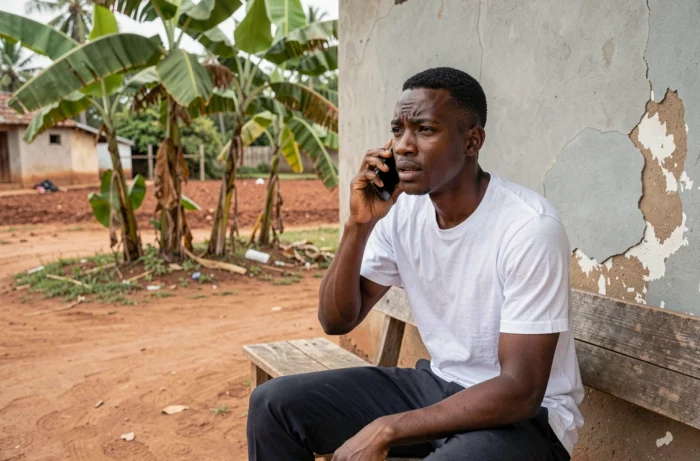
The HIFALI project, led by Humanity and Inclusion, develops community mental health in Madagascar according to the Quality Rights approach. Its evaluation highlights two main impacts: reducing stigma and strengthening local capacities.
The Malagasy association Psy-kôsy brings together professionals and users to guide practices towards recovery. A three-and-a-half-day introduction to peer support was offered to about twenty local actors, mixing users and concerned professionals. This model breaks away from a purely top-down logic.
The community agents trained in this framework play a relay role between care structures and populations far from urban centers. Their presence on the ground reduces the geographical and cultural distance that hinders access to psychological support in rural areas.
What Distinguishes the Community Approach
- Peer supporters share experiences with the individuals they assist, which facilitates trust and reduces the shame associated with mental disorders
- Community agents identify distress situations early, before they require hospital care
- Local training avoids dependence on external interveners and anchors skills over time
Training in Psychotraumatology and EMDR in Madagascar: Current State
The Malagasy Society of Psychiatry (SOMAP) and the EMDR Madagascar Association have been collaborating with Trauma Aid France for several years. Training in psychotraumatology has been organized at the Joseph Raseta Befelatanana University Hospital Center, both in-person and online.
These sessions target a variety of profiles: doctors, nurses, social workers, police officers, and gendarmes from the Vonjy Center, a structure dedicated to the integrated care of minors who are victims of sexual violence. The training is not limited to psychologists; it extends to field actors in direct contact with victims.
However, access to these trainings remains concentrated in large cities. Professionals working in provinces rarely benefit from these programs, which creates a skills gap between urban centers and the rest of the territory.
Protection of Children and Adolescents: The Tsimoka Soa Project
The Tsimoka Soa project strengthens the protection of children and adolescents in Madagascar. It specifically targets minors exposed to violence or neglect, combining psychological support with an educational framework.
Children represent the most vulnerable group facing psychological disorders in a context of precariousness. Dedicated mechanisms remain few, and Tsimoka Soa is one of the rare projects that articulates psychological support and child protection on the ground.
Gender-Based Violence: The Manonga Project
The Manonga project aims to strengthen the fight against gender-based violence in Madagascar. The psychological support of victims occupies a central place, alongside medical and legal care. This type of project illustrates the trend to integrate psychological support into multidisciplinary frameworks rather than in silos.
Access to Psychological Support in Madagascar: Persistent Gaps
The national framework now exists. Trainings are multiplying. Local associations are gaining structure. The most striking gap remains geographical: resources are concentrated in urban centers, with Antananarivo at the forefront.
- Rural areas lack trained mental health professionals, despite efforts to train community agents
- Funding through the Social Health Insurance Act is still recent, and its effective implementation on the ground takes time
- Coordination between associative projects and the national strategy is not yet systematic
The national strategy of 2026 sets a course. Its concrete translation will depend on the ability to deploy resources outside regional capitals, where the demand for psychological support is the highest and the least covered.